Translate
उ0प्र0 नॉन ओलम्पिक एसोसियेशन
FOR PROMOTING TRADIYIONAL, ANCIENT SPORTS & CULTURE Recognized by Government of U.P./ Registered Under Society Registration Act, 1860
एसोसिएशन से समबद्ध राज्य खेल ईकाइयों के मुख्य पदाधिकारी
डॉ0 कश्मीर सिंह
अजय दीप सिंह
ए.के. सक्सेना
तारिक़ हसन नक़वी
अनिल कुमार अस्थाना
ए.के. राजायदा
वी.पी. सिंह
रबीन्द्र चौधरी
यूजिन पाल
जी.पी. त्रिपाठी
संजीव सरावगी
रतनवीर कौरनिलियस
ज़फ़र आगा
सुश्री सुमन चौधरी
राकेश कुमार गुप्ता
योगेन्द्र चौधरी
प्रदीप शुक्ला
पी.के. दत्ता
ओंकार नाथ तिवारी
महताब आलम
जयप्रकाश श्रीवास्तव
– गोल्फ
– बॉडी बिल्डिंग
– रग्बी
– रैकेटबॉल
– कैरम
– शतरंज
– पंजा कुश्ती/योग स्पोर्टस/सतौलिया, 15-15 क्रिकेट
– शटिंग बालीबॉल
– आट्या-पाट्या
– कुंगफू
– मलखम्ब
– डेफ क्रिकेट
– पतंगबाजी
– ग्रामीण खेल /तैराकी
– फिटनेस बॉल
– भूले बिसरे खेल
– पिजन फ्लाइंग
– गुल्ली डंडा
– सिविल सर्विसेज
– गेंद ताड़ी
– उ0प्र0 सचिवालय हॉकी
Sports affiliated and recognized by the Uttar Pradesh Non-Olympic Association
1- Non Olympic Games
‘A’ category
Yoga Sports, Chess, Carrom, Atya-Pataya, Shooting Ball, Power Lifting, Rowing / Swimming in River, Kite Flying, Rugby, Wushu, Kho-Kho Deshi, Kabaddi Desi, Mace Jodi, Kungfu, Body Building, Fitness Ball.
‘B’ category
Baseball, Women’s Football, Kick Boxing, Arm Wrestling, Chalk Ball, Divyang Sports, Nut Gymnastics, Veteran Sports, Air Sports, Adventure Sports, Pigeon Flying, Tenikyote, Malkhamb, Taekwondo, Mini Golf.
‘C’ category
Floralball, Marble Stone, Throw Ball, Racketball, School Games, Cue Sports.
2- Traditional / forgotten games
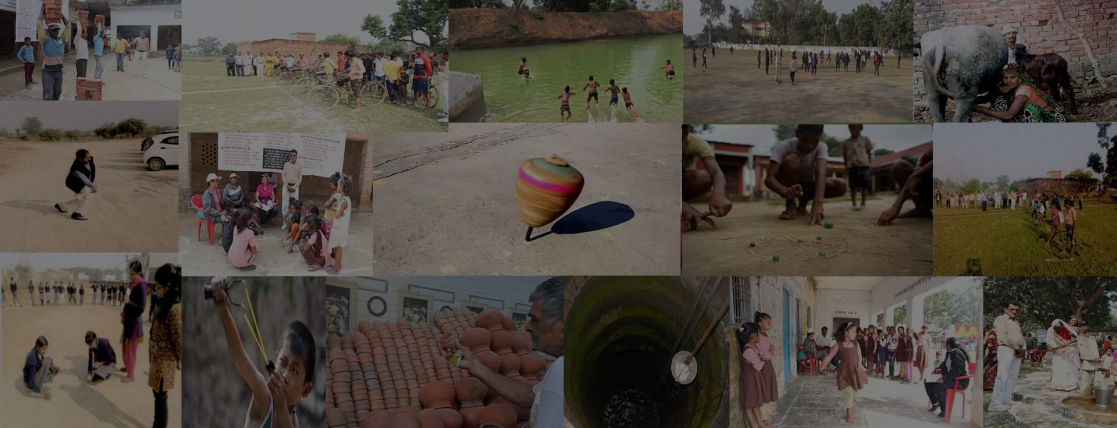
Rope jump, lattu, gulli danda, swimming in the canal, cycle wheel race, trig, satalia, cycle race, swagger, horse jamal khay, guttak, slingshot, lap danda, chair race, cigdi, kancha bullet, chausar, ball toddy etc. .
3- Rural Games
Rural environment sports- bullock cart race, thug race, tonga race, walking competition, stick-boxing, rustic riot, 50 meters running competition with three children. For potters: – Kulhan making competition. For laborers:- Competition of throwing bricks, carrying bricks on the head. For Palledars: – Competition to load the sacks filled in the trolley. For young children:- Competition for sending messages from mobile, calligraphy, general knowledge, painting competition, fist jump, competition for sailing paper boat in water, flying paper airplane etc.
For Elders / Head Sarpanch above 60 years:-
Competition of 100 meters running, tying turban, blowing balloons and laughing out loud.
For women/girls:-
Filling water from well, filling water with hand pump, rangoli, weaving dalia, chair race, chicken handcraft, playing gutta, and henna competition of milking buffalo etc.
Note:- Keeping in view the background of rural sports in the villages, along with their community entertainment, they have to hone their skills so that they can know that their livelihood related work is also being taken in the form of sports. With such competitions, all the sections will feel that works / games related to their livelihood are also being organized. It is noteworthy that similar competitions can be organized in different parts of the state. In the award, instead of medal, emphasis is given on giving indigenous ghee, pickle, murabba, or local product.
THRILLING GAME OF INDIA
Atya-Patya is a thrilling ancient game of India. It is game of Indian origin. Popular in rural and urban areas and in villages. The game was known in different names: such as SUR PATI, LONE PATI, DARAYABANDH, SARAGARI, TILLI, SPPINAT, UPPUPATI, CHOUPAT-PATI, PANCHWATI, CHIKKA. The ancient game was received with 1” Atya-Patya national championship at Nagpur-1982 formed.
RULES OF GAME
TEAM
Chest No.
Inning
Each Inning
Points
Tie Match
Batch
12 Players, 9+3 Substritues
1to 12 On Front and Back
7 Minutes: Each inning interval (Break)
3 Minutes interval (Break)
One point For Each Trench
Re-Played-
A) One set of the five (5) Minutes
B) 60 Second Rule
60 Second Each Side with 4 Players
More points Are Allowed in 60 Sec.
c) Toss of Coin
Two Batches
4-Players – in each
1- Will Be Tailor
1. Dissent action
2. Abusive Language
3. To Leave Language
4. Ungentle man Like conduct
5. Disobey Orders Of Officials.
White Card- Caution Red Card- Explusion Disciplinary Action will be Taken against team/players
Rules and Regulation:-
1. Carrom game be played in 3 sets of 08 boards.
2. Each set will be of maximum 25 points.
3. Player who will be score maximum points in 08 boards will be winner.
4. Player must win 02 sets out of 03 to win the game or as organizing committee decides.
5. Both 09 white and 09 black coins should be placed in Centre.
6. Player who will break first will play white coins.
7. Line and circle on which stricker placed for strike, should be fully covered with stricker.
8. Red coin will be of 03 points.
9. White and Balck coins will be of 01 point each.
10. Player who will pocket all his coins without pocketing red, will lose the board by 03 points.
11. Player who will pocket all his Opponents coins without pocketing red, will lose the board by 03 points and the number of his coins.
As early as 2000, under the direction of Kung Fu Master Gyan Prakesh, promoted Kung Fu Nation wide and created various training Centre in Uttar Pradesh with regular meetings taking place, dialogue with authorities became easier.
2004: The Formation
On 21-23 April 2004, delegates from the different District- Kung Fu Association met in Dragon Academy Sanjay Gandhi Puram, Lucknow under the leadership of Dr. Kashmir Singh I.P.S. and agreed on the necessity to establish permanent state Kung Fu Association for the Defense of their objectives and common goals, the preservation of their autonomy and exchange of information. The name “U.P. Kung Fu Association” was adopted.
COMPETITION RULES
The International Rules drawn up in 1993 by Rules Committee of National Association of The Republic of China, have been duly approved by the National Association. The Rules shall apply to any Routine and Push-Hand Championships or Cup Tournaments organized by a member of KFI or by any organization in Country.
Disciplines and Weight Categories of Competition
1. Kung Fu Tao Lu
Tao Lu Bare Hands and Weapon Categories for the athletes:
1) 9-12 years minus one day
2) 12-15 years minus one day
3) 15-18 years minus one day
4) 18-35 years minus one day
2. The Performance of modern Wushu styles is prohibited.
3. Evaluation of the performance will be on the following guidelines:
1) Speed
2) Power
3) Coordination
4) Low positions
5) Eye positions
6) Balance
4. Scoring
1) General performance – 6 points
2) Force and coordination – 2 points
3) Sprit and determination – 2 points
5. Loss of points
1) Sprit and determination – 2 points
2) Momentary loss of balance – minus 2 points
3) Repeated momentary loss of balance – minus 3 points
4) Loss of balance and fall to the ground, including touching the ground with the hand – minus 3 points.
5) Momentary involuntary pause – minus 1 point
6) Incomplete – no score
7) If the weapon accidentally touches the ground or bumps the athlete’s body – minus 1 or 2 points
8) Deformation of the weapon – loss of 1 to 3 points
9) Breaking of the weapon – loss of 1 to 4 points
10) Dropping of the weapon – loss of 1 to 4 points
11) Beginning and the end of the performance done incorrectly – minus 1 point
6. Traditional Kung-Fu costume is acceptable only with long sleeves clean, and ironed, with personal sash.
CHAPTER 2 FIELD AND EQUIPMENT
All fields for Push-Hand Championship and Tournament shall be of such standard as:The ground must be flat without any objects which may impede the progress of competitions. The field for Push–Hand competitions shall be 8 x 8 meters in size, at the center of which is a circle 6 meters in diameter for Huopu (moving) Push- Hand competitions (Huopu – means that the circle the feet can move).
इस कन्चे के खेल मे सर्वप्रथम २-२ अथवा १-१ खिलाड़ियों कि दो टीमों को आपस मे विभजित किया जायेगा
इस खेल कि सम्यावधि ५ मिनत तक रहेगी तथा रेफरी का निधनाए सर्वमान्य रहेगा
पहले दोनों कप्तानों को बुलाकर टॉस होगा जो टीम टॉस जीतेगी वो पहले सर्किल में कंचो को मीया कंचो को बीच में रखकर उसको निकलने का प्रयास करेगी
उस टीम तो उतने ही अंक प्रदान किये जायेगे जितने की उस धीरे में कंचो की संख्या होगी टोनो टीम एक के बाद एक अपनी चांस लेंगी
सर्किल के बीच का कंचा यदि सर्किल के रखे कंचे से लड़ जाता है तो वह फ़ाउल होगा दूसरी टीम को बोनस अंक मिल जायेगा और दूसरी टीम की चांस आ जाएगी
सर्वाधिक अंक प्राप्त करने वाली टीम विजेता रहेगी
इसे दूसरी नियम से भी खेला जा सकेगा ऊँगली से कंचा सर्किल में रखे कंचा पर निशाना लगाने पर विजेता टीम घोषित किया जायेगा जहा पर खेल खेले जायेगे उस ग्राम तथा स्थानियो नियम के आधार पर नियमो को कमेटी के द्वारा स्वीकार किया जा सकता है
किसी भी विवाद पर अंतिम निदने आयोजित समिति का ही फैसला मान्य होगा
12 players of a team will participate in this competition, in which 7 players will play and 5 players will be in reserve.
There will be a field of 12 X 8 in this competition.
The competition will be of a total of 25 minutes, in which two halves of 10-10 minutes each followed by a 5-minute rest will be given.
n the game 7-7 players of both teams are in the field and try to catch the other team or go to their court and touch any of their players after coming back to their court and try to get him out.
Whichever team has the highest score, that team is declared the winner.
If any player’s leg or any limb is out of the field during the raid, he is immediately out.
Each player has to wear a vest and neckerchief and enter the field with socks and cloth shoes.
Students of classes 3 to 5, 6 to 8 and 9 to 12 from each school will participate in the competition in different groups.
The final decision on any dispute will be valid only of the organizing committee.
Only one player from a team will participate in this competition.
The maximum time of this competition will be 3 minutes.
There will be 5 pieces in this competition.
Marble / stone pieces will have to be brought by the participant himself.
Once any player’s piece is dropped, that player will be out of the competition.
In this competition, by tossing a piece in the air, lifting the second piece lying on the ground, the first tossed piece will also have to be caught with the same hand. After that one piece is tossed again and two pieces have to be picked up from the ground and again the tossed piece will have to be caught with the same hand. This sequence will be completed only after lifting three or four pieces.
Students of classes 3 to 5, 6 to 8 and 9 to 12 from each school will participate in the competition in different groups.
The final decision on any dispute will be valid only of the organizing committee.
10 players participate in this competition.
Make a circle and sit outside. A player will run away with a handkerchief and say “Koda hai jamalshahi, rear dekhte maar khai” and will put a handkerchief behind one of them.
If the child recognizes that the handkerchief is behind him, he will run after the one who put it. And the handkerchief inserter will try to sit on the spot. If he does not sit running, then the pursuer will beat him with two whips.
If someone looks back, the one running with a handkerchief will hit the one who is watching.
If the child behind the handkerchief is unable to see it, the person holding the handkerchief will run away and the first one will sit in his place.
The 5 minutes left until the end of the game is the winner.
This competition will be knockout.
The boys/girls team will be different in this competition.
Students of classes 3 to 5, 6 to 8 and 9 to 12 from each school will participate in the competition in different groups.
The final decision on any dispute will be valid only of the organizing committee.
Game point will be base.
If the running player is not out, 1 point will be given to the opposition team. The out player will not sit in the circle. Both the teams will be given 3 chances.
2 players of a team will participate in this competition.
In the competition, each of the players of the team will be tied with a cloth (cotton cloth).
Will have to run in the competition on the strength of three legs.
This competition will be in a track of 50 meters and the participant will have to run in his own track.
The team that comes first, second and third in the competition to complete the 50 meter race will be declared the winner.
Winners will be decided on the basis of race completion in shortest time.
Students of classes 3 to 5, 6 to 8 and 9 to 12 from each school will participate in the competition in different groups.
The final decision on any dispute will be valid only of the organizing committee.
The field will be 50 yards wide and 80 yards long.
There is a team of 11-11 players.
Hair should be hit straight.
If the hair hits the elbow, then it is not considered a foul.
If the player of A team hits the player of B team, then the player who hits will hit the ball on the stand.
The team that will lose more hair on the hair kept on the defeat stand will win.
If the player of the other team touches the player caught by the hair, then that ball will not hit anyone, but will pass to the player of his team.
Can not keep the hair continuously for more than 8- 5 seconds.
Interrupting the game with wrong intention may result in the player being ejected after warning.
The referee will make a fresh start by tossing the ball.
Numbers are given out of 10 numbers A class element is 0.20, V class element is 0.40, C class element is 0.60.
U/12, U/14, U/18, A/18 Boys Group, U/12, U/14 U/16,A/16 Girls 4 A class element, 5th class element and one C class element are done. An ROV element of 0.20 is made.
There were 6 boys and 6 girls in a group. U/12, Boys below 12 years U/14 , Boys below 14 U/18, Boys below 18 years A/18, Above 18 years Boys U/12, Girls below 14 years U/14, Below 14 years Less Girl U/16, Girl Below 16 A/16, Girl Above 16.
8+2 players of a team will participate in this competition, in which 8 players play and 2 players remain in reserve.
Ground is of 10 x 50 meters. The length of the rope is more than 50 meters, in the middle of which a red tape is tied and a white lace is tied on one meter to the right and left of the lace. Upon reaching the center of the field of white tape from either side of the rope, the team on the other side, who pulled the rope to their side, shall be declared the winner.
A pool is of 10 minutes. If there is no decision in 10 minutes of play, both the teams will be declared joint winners.
This competition will be on the basis of best of three pool and will be on knockout basis.
No player shall lock the rope with any part of his body.
It is mandatory for every player to wear white cloth shoes during the game.
In this game, if the player tries to make a hole in the ground with his heel or in any way, then that team will be immediately out of the game.
Students of classes 3 to 5, 6 to 8 and 9 to 12 from each school will participate in the competition in different groups.
The final decision on any dispute will be valid only of the organizing committee.
2 players of a team will participate in this competition.
Decision in this competition will be taken according to time.
In this competition it will be necessary to fulfill the following standards according to the class:-
class
3 to 5
6 to 8
9 to 12
time
one minutes
one minutes
one minutes
minimum jump rope
30 times or more
75 times or more
100 times or more
This competition will be on qualifying and knockout basis.
This game is played a lot in village schools, where rope jumping competition is held. Although rope is a good exercise for weight loss, but it is not played in villages because of this. There everyone plays it with fun. Play it in many ways. Alone even with three people. Two girls grab a rope from both the ends and start twisting it and the third girl jumps in the middle. In this way everyone’s turn comes and he jumps without stopping, he wins.
Students of classes 3 to 5, 6 to 8 and 9 to 12 from each school will participate in different groups in the competition.
The final decision on any dispute will be valid only of the organizing committee.
The competition will be played according to the international system.
The competition will be on progressive mode.
A total of 04 rounds will be played in the competition.
Every player is required to play 04 rounds (matches).
The time of each round will be maximum 15 minutes.
Every player must reach before the start of the match. Otherwise (05) after five minutes the opposing player will be entitled to walkover.
Any player who touches the piece while playing, it will be mandatory to move the same piece.
For making a wrong move, the first mistake will be forgiven, but if the second mistake is made, it will be considered as a loser.
The decision of the adjudicator will prevail.
4 players of a team will participate in this competition.
This game is played with a light rubber ball (cricket/hockey or any other solid ball will not be used).
In this game, seven stones or different sizes of clay (tattoo pitcher) flat ballasts are used, one on top of the other, which is placed in the middle of the field.
The team winning the toss will try to burst the ballasts first.
A player of one team tries to break the ballasts placed by the ball from a stipulated distance and the players of the other team try to catch the ball thrown.
Each member of the ballast breaking team will be given a chance to break the ballast 3 times only.
After breaking the ballast, the ballast breaking team attempts to reinsert it, while the opposing team attempts to throw the ball out of the competition by hitting the player who tries to restore the ballast. If the ball hits any part of the body, then the team that broke the ball is out.
If after breaking the ballast, the team that broke the ballast is not able to put it back, then that team loses.
Then the other team also tries to break the ballast and tries to break the ballast and put it back in less time.
Whichever team does the ballast work again in the shortest time, that team is declared the winner.
It will be mandatory to end this competition within 5 minutes.
Students of classes 3 to 5, 6 to 8 and 9 to 12 from each school will participate in the competition in different groups.
The final decision on any dispute will be valid only of the organizing committee.
In this competition, only one player will participate in a team.
The game time will be of 5 minutes.
A total of 8 boxes in the ground will be as follows:-
This game is mainly played by girls. To play it, in the courtyard, field or anywhere else in the house, many pieces of chalk or brick are made. Then the stone (Goti) has to be lifted by standing on one leg, that too without touching the line. Finally, standing on one leg, it has to be lifted with one hand without touching the line and it has to be lifted back to the same leg.
Students of classes 3 to 5, 6 to 8 and 9 to 12 from each school will participate in the competition in different groups.
The final decision on any dispute will be valid only of the organizing committee.
पंजा कुश्ती की शुरुआत कब और कहां हुई यह ठीक-ठाक कह पाना बहुत मुश्किल है क्योंकि यह एक प्राचीन एवं परंपरागत खेल है। सदियों पुराने भारत के ही नहीं बल्कि विश्व के इतिहास में नजर दौड़ाया जाए तो हम पाएंगे कि प्राचीन काल से ही पूरे विश्व में पंजा लड़ाने की परंपरा रही है। पंजा कुश्ती सारे संसार में प्रचलित शक्ति प्रदर्शन करने वाले खेलों में सबसे सरल आसान एवं सुलभ खेल है। इसमें खिलाड़ियों को खतरा लगभग नहीं के बराबर होता है। अतः इसे हर उम्र और हर वर्ग के लोग बड़े आसानी से खेल सकते हैं। पंजा कुश्ती विभिन्न आयु एवं भार वर्ग में आयोजित की जाती है। 12 वर्ष से कम उम्र के सब जूनियर, 12 से 18 वर्ष तक जूनियर, 18 से 40 वर्ष तक सीनियर और 40 वर्ष से अधिक उम्र के लोगों के लिए मास्टर प्रतियोगिताएं आयोजित की जाती हैं । पुरुष खिलाड़ियों के लिए प्रतियोगिताएं 13 बजन समूहों (50,55,60,65,70, 80, 90,100,110 एवं +110) किलोग्राम एवं महिलाओं के लिए 8:00 बजन समूहों (45,50,55,60,70,80 एवं +80) किलोग्राम में आयोजित की जाती है।पंजा कुश्ती पुरुषों के साथ-साथ महिलाओं में भी समान रूप से लोकप्रिय हैं एवं वे भी इस में समान रूप से भाग लेती हैं ।पंजा कुश्ती खेलने वालों के साथ-साथ दर्शकों में भी उत्तेजना पैदा कर देता है ।इसके अलावा इसकी सहजता और सुलभता के कारण इसे अन्य खेलों की अपेक्षा दर्शक आसानी से समझ सकते हैं और कोई भी इसे आसानी से खेल भी सकता है क्योंकि इसमें न तो बहुत जगह की आवश्यकता होती है ना विशेष उपकरण की आवश्यकता होती है और ना ही इसमें पेचीदा नियम व शर्तों को लागू किया गया है। इस खेल में उपकरण के नाम पर मात्र लोहे के एंगल से बना 36 इंच लंबे 26 इंच चौड़े एवं 40 इंच ऊंची एक टेबल की आवश्यकता होती है। पंजा कुश्ती के नियम भी काफी आसान है जैसे
1. एक खिलाड़ी को दो मौके मिलते है, यदि पहले मौके में वह हार जाता है तो वह लूजर ग्रुप में चला जाता है एवं जीतने वाला विनर ग्रुप में रहता है। फाइनल में हमेशा एक विनर और एक लूजर आपस में भिडते हैं जिसमें विनर को एकमात्र बाउट जितना होता है ,लेकिन लूजर को मैच जीतने के लिए विनर को दो बार हराना होता है। 2. खिलाड़ी अपनी हथेली से अंगूठे को फंसा कर पकड़ते हैं जिसे ‘थबं गिरप’ कहा जाता है। यही पंजा कुश्ती की सही पकड़ मानी जाती है।
3. खिलाड़ियों को पंजा लड़ाते समय ग्रिपिंग के लिए 1 मिनट का समय दिया जाता है ।समय सीमा समाप्त होने से पहले दोनों खिलाड़ी गिरप ले लेते हैं तो रैफरी ‘रेडी गो’ कहकर खेल प्रारंभ करता है अन्यथा समय पूरा होने पर रेफरी ‘टाइम्स अप रेफरीज गिरप’ कहकर खिलाड़ियों का हाथ छुडा देता है। तत्पश्चात रैफरी एक निश्चित तरीके से खिलाड़ियों को गिरपिंग कराता है जिसमें खिलाड़ियों को रेफरी के निर्देश का अनुसार ही ग्रिपिंग लेना होता है अन्यथा फाउल करार दिया जाता है।
4. पंजा लड़ाते समय दोनों खिलाड़ियों की कलाई एकदम सीधी होनी चाहिए । अंगूठे का ऊपरी हिस्सा दिखाई देना चाहिए एवं खिलाड़ियों का पंजा टेबल के मध्य बिंदु की सीध पर होना चाहिए।
5. बाउट शुरू होने से पहले दोनों खिलाड़ियों के कंधे एकदम सीधे होने चाहिए मैच प्रारंभ होने के पश्चात खिलाड़ी कंधो को अपने हाथ की दिशा में एक निश्चित सीमा तक झुका सकता है लेकिन कंधा अधिक झुकाने पर फाउल करार दिया जाता है।
6. वाउट शुरू होने से पहले खिलाड़ियों के दोनों पैर जमीन से टिके होने चाहिए । मैच शुरू होने के पश्चात खिलाड़ियों पर यह बंदिश लागू नहीं होती है।
7. खिलाड़ियों को उनकी कलाई उलटी दिशा में मोड़ने पर अथवा हाथ नीचे आ जाने पर 10 सेकंड का समय दिया जाता है। समय सीमा तक कलाई या हाथ सीधा ना होने पर उक्त खिलाड़ी को हारा हुआ माना जाता है ।
8. खिलाड़ियों को 1 बाउट में सिर्फ एक फाऊल माफ होता है ।दूसरा फाउल होने पर खिलाड़ी को हारा हुआ घोषित किया जाता है।
अपने साधारण नियमों एवं सहजता के कारण पंजा कुश्ती सभी वर्गों में समान रूप से लोकप्रिय होता जा रहा है । खासकर स्कूल एवं कॉलेज के युवा वर्ग में पंजा कुश्ती खासा लोकप्रिय है।
वैसे तो पंजा कुश्ती भारत के प्राचीन खेलों में से एक है ,लेकिन विधिवत इसका गठन 1977 में हुआ जब भारत के खेल पुरुष श्री बृज वरणदास ने “इंडियन आर्म रेसलिंग फेडरेशन ” की स्थापना की। इनके साथ साथ श्री रणवीर सिंह, श्री विमल कुमार चंदा, श्री सतीश यादव, श्री जेके शुक्ला आदि ने पंजा कुश्ती खेल को पूरे भारत में एक विशेष पहचान दिलाई । वर्तमान समय में देश के कोने 2 में श्री हाशिम रेजा जैबेथ, श्री मनोज नायर, श्री प्राण प्रीतम चालिहा ने पंजा कुश्ती खेल को बहुत ऊंचाई पर पहुंचाया है। अपने साधारण नियमों एवं सहजता के कारण पंजा कुश्ती सभी वर्गों में समान रूप से लोकप्रिय होता जा रहा है । खासकर स्कूल एवं कॉलेज के युवा वर्ग में पंजा कुश्ती खासा लोकप्रिय है।
वैसे तो पंजा कुश्ती भारत के प्राचीन खेलों में से एक है, लेकिन विधिवत इसका गठन 1977 में हुआ जब भारत के खेल पुरुष श्री बृज वरणदास ने “इंडियन आर्म रेसलिंग फेडरेशन “की स्थापना की। इनके साथ साथ श्री रणवीर सिंह, श्री विमल कुमार चंदा, श्री सतीश यादव, श्री जेके शुक्ला आदि ने पंजा कुश्ती खेल को पूरे भारत में एक विशेष पहचान दिलाई। वर्तमान समय में देश के कोने 2 में श्री हाशिम रेजा जैबेथ, श्री मनोज नायर, श्री प्राण प्रीतम चालिहा ने पंजा कुश्ती खेल को बहुत ऊंचाई पर पहुंचाया है।
Anand Kishore Saxenaa: उत्तर प्रदेश आर्म रेसलिंग एसोसिएशन की स्थापना अप्रैल 2008 में हुई तब से आज तक उत्तर प्रदेश के विभिन्न स्थानों पर 13 उत्तर प्रदेश पंजाब कुश्ती प्रतियोगिताओं का आयोजन किया जा चुका है इसके साथ ही 2010 और 2014 मैं नॉर्थ इंडिया पंजा कुश्ती प्रतियोगिता का आयोजन उत्तर प्रदेश पंजा कुश्ती एसोसिएशन द्वारा कराया जा चुका है। 2014 में आगरा में 38वीं राष्ट्रीय पंजा कुश्ती प्रतियोगिता का आयोजन भी हो चुका है। पंजाकुश्ती खेल को कई राज्यों में उन की राज्य सरकारों द्वारा तथा ओलंपिक संघो द्वारा मान्यता मिली हुई है।उत्तर प्रदेश में भी जल्द ही मान्यताप्राप्त होने की आशा है ।
बालक वर्ग में प्रतियोगिता
12 वर्ष से कम
14 वर्ष से कम
18 वर्ष से कम
18 वर्ष से ऊपर
बालिका वर्ग में प्रतियोगिताएं
12 वर्ष से कम
14 वर्ष से कम
16 वर्ष से कम
16 वर्ष से ऊपर
Anand Kishore Saxenaa: प्रतियोगिता 90 सेकंड मैं पूर्ण की जाती है। प्रतिभागी को 90 सेकंड में अपना कौशल दिखाना पड़ता है
Anand Kishore Saxenaa: बालिकाओं की प्रतियोगिता रोप एवं पोल मल्लखम्ब पर होती है
Anand Kishore Saxenaa: बालकों की प्रतियोगिता 12 वर्ष से कम एवं 14 वर्ष से कम रोप एवं पोल मल्लखम्ब पर होती हैं।
Anand Kishore Saxenaa: 18 वर्ष से कम एवं 18 वर्ष से ऊपर के बालकों की प्रतियोगिता तीनों मल्लखम्ब पर होती है।
भरतपुर में कुश्ती के रूप में जाना प्रतियोगिताओं कुश्ती Dangal या kushti , गांवों में आयोजित की जाती हैं और इस तरह चर और लचीला कर रहे हैं। यह क्षेत्र या तो एक गोलाकार या चौकोर आकार का है, जिसका माप कम से कम चौदह फीट है। आधुनिक मैट का उपयोग करने के बजाय, दक्षिण एशियाई पहलवान गंदगी के फर्श पर प्रशिक्षण लेते हैं और प्रतिस्पर्धा करते हैं। प्रशिक्षण से पहले, फर्श को किसी कंकड़ या पत्थरों से उकेरा जाता है। छाछ, तेल और लाल गेरू को जमीन पर छिड़का जाता है, जिससे गंदगी का रंग लाल हो जाता है। इसे सही स्थिरता पर रखने के लिए हर कुछ दिनों में पानी डाला जाता है; चोट से बचने के लिए पर्याप्त नरम लेकिन इतना कठोर कि पहलवानों की हरकतों में बाधा न आए। हर मैच से पहले पहलवानों ने अपने और अपने प्रतिद्वंद्वी पर फर्श से कुछ मुट्ठी गंदगी को आशीर्वाद के रूप में फेंक दिया। अखाड़े की चिह्नित सीमाओं के बावजूद, प्रतियोगी बिना किसी दंड के मैच के दौरान रिंग से बाहर जा सकते हैं। कोई राउंड नहीं हैं लेकिन प्रत्येक मुकाबले की लंबाई पहले से निर्दिष्ट है, आमतौर पर लगभग 25-30 मिनट। यदि दोनों प्रतियोगी सहमत हैं, तो मैच की लंबाई बढ़ाई जा सकती है। मैच एक्सटेंशन आमतौर पर लगभग १०-१५ मिनट के होते हैं। मैट आधारित कुश्ती के विपरीत, कोई अंक स्कोरिंग प्रणाली नहीं है; प्रतिद्वंद्वी के कंधों और कूल्हों को एक साथ जमीन पर पिन करके जीत हासिल की जाती है, हालांकि नॉकआउट , स्टॉपेज या सबमिशन द्वारा जीत भी संभव है। नियमों के कुछ बदलावों में, केवल कंधों को नीचे करना ही काफी है। रिंग के अंदर एक रेफरी द्वारा मुकाबलों की देखरेख की जाती है और दो जजों का एक पैनल बाहर से देख रहा होता है।
टाइटल
द ग्रेट गामा , एक पूर्व रुस्तम-ए-ज़मान
कुश्ती चैंपियन को प्रदान की जाने वाली आधिकारिक उपाधियाँ इस प्रकार हैं। ध्यान दें कि रुस्तम शीर्षक वास्तव में शाहनामा महाकाव्य के एक ईरानी नायक का नाम है ।
• ” रुस्तम-ए-हिंद “: भारत के चैंपियन। पंजाब से दारा सिंह , सादिका गिल्गू (सिद्दीकी पहलवान), हरियाणा से कृष्ण कुमार, मुहम्मद बूटा पहलवान, इमाम बख्श पहलवान , हमीदा पहलवान , विष्णुपंत नागराले , दादू चोगले और हरिश्चंद्र बिराजदार (भारत का शेर) महाराष्ट्र से, मंगला राय से उत्तर प्रदेश और पहलवान शमशेर सिंह (पंजाब पुलिस) ने पूर्व में रुस्तम-ए-हिंद का खिताब अपने नाम किया था। विष्णुपंत नागराले इस खिताब को हासिल करने वाले पहले पहलवान थे।
• रुस्तम-ए-पाकिस्तान : रुस्तम-ए-पाकिस्तान के रूप में भी लिखा जाता है। पाकिस्तान चैंपियन।
• रुस्तम-ए-पंजाब :पंजाब, पाकिस्तान का चैंपियन।
• ” महाराष्ट्र केसरी “: महाराष्ट्र का शेर। महाराष्ट्र केसरी एक भारतीय शैली की कुश्ती चैंपियनशिप है। नरसिंह यादव (तीन बार के विजेता)
• ” रुस्तम-ए-पंजाब ” ( रुस्तम-ए-पंजाब भी लिखा है) पंजाब, भारत का चैंपियन। पहलवान शमशेर सिंह (पंजाब पुलिस) पहलवान सलविंदर सिंह शिंदा छह बार रुस्तम-ए-पंजाब थे।
• ” रुस्तम-ए-ज़माना ” विश्व चैंपियन। ग्रेट गामा को रुस्तम-ए-ज़माना के नाम से जाना जाने लगा जब उन्होंने 1910 में स्टैनिस्लोस ज़बिस्ज़को को हराया ।
• ” भारत-केसरी” हिंदी में सर्वश्रेष्ठ हैवीवेट पहलवान। हाल के विजेताओं में चंद्र प्रकाश मिश्रा (गामा पहलवान), कृष्ण कुमार (1986), राजीव तोमर (रेलवे), पहलवान शमशेर सिंह (पंजाब पुलिस) और पलविंदर सिंह चीमा (पंजाब पुलिस) शामिल हैं।
• ” हिंद केसरी ” 1969 हिंद केसरी के विजेता हरिश्चंद्र बिराजदार (महाराष्ट्र) (भारत का शेर) २०१३ हिंद केसरी के विजेता, अमोल बराटे (महाराष्ट्र) २०१५ हिंद केसरी के विजेता, सुनील सालुंखे (महाराष्ट्र)
तकनीक
यह कहा गया है कि अन्य देशों के कुश्ती रूपों में पाई जाने वाली अधिकांश चालें कुश्ती में मौजूद हैं, और कुछ भारतीय उपमहाद्वीप के लिए अद्वितीय हैं। ये मुख्य रूप से लॉक, थ्रो, पिन और सबमिशन होल्ड हैं। अपने प्राचीन पूर्वज मल्ल-युद्ध के विपरीत , कुश्ती एक मैच के दौरान स्ट्राइक या किक की अनुमति नहीं देता है। सबसे पसंदीदा युद्धाभ्यासों में धोबी पाट (शोल्डर थ्रो) और कसौटा (गला घोंटना पिन) हैं। अन्य चालों में बहरली , ढाक , मछली गोटा और मुल्तानी शामिल हैं ।
प्रशिक्षण
यद्यपि भारतीय उपमहाद्वीप में कुश्ती ने मुगल युग और औपनिवेशिक काल में परिवर्तन देखा, प्रशिक्षण व्यवस्था 150 से अधिक वर्षों से समान है। नवोदित पहलवान 6 साल की उम्र में शुरू हो सकते हैं, लेकिन अधिकांश अपनी किशोरावस्था में औपचारिक प्रशिक्षण शुरू कर देते हैं। उन्हें एक अखाड़े या पारंपरिक कुश्ती स्कूल में भेजा जाता है, जहां उन्हें स्थानीय गुरु की शिक्षुता में रखा जाता है। उनका एकमात्र प्रशिक्षण पोशाक कौपीनम या लंगोटी है।
व्यायाम या शारीरिक प्रशिक्षण ताकत बनाने और मांसपेशियों के थोक और लचीलेपन को विकसित करने के लिए है। व्यायाम जो पहलवान के अपने शरीर के वजन को नियोजित करते हैं उनमें सूर्य नमस्कार , शीर्षासन और डंडा शामिल हैं , जो हठ योग में भी पाए जाते हैं , साथ ही साथ बेथक भी । सावरी ( फारसी सावरी से , जिसका अर्थ है “यात्री”) ऐसे अभ्यासों के प्रतिरोध को जोड़ने के लिए किसी अन्य व्यक्ति के शरीर के वजन का उपयोग करने का अभ्यास है।
वाराणसी के पास भारतीय क्लबों के साथ व्यायाम करता एक पुराना भारतीय पहलवान ।
व्यायाम के नियम निम्नलिखित वजन प्रशिक्षण उपकरणों को नियोजित कर सकते हैं:
• एनएएल एक हैंडल के अंदर के साथ एक खोखले पत्थर सिलेंडर है।
• Gar एनएएल (गर्दन वजन) एक परिपत्र पत्थर की अंगूठी के लिए प्रतिरोध जोड़ने के लिए गले में पहना है डंडा और bethak ।
• Gada (गदा) के साथ जुड़े एक क्लब है हनुमान । एक व्यायाम गड़ा एक भारी गोल पत्थर है जो एक मीटर लंबी बांस की छड़ी के अंत से जुड़ा होता है। ट्राफियां चांदी और सोने से बने गदा का रूप लेती हैं।
• भारतीय क्लब, मुगदार की एक जोड़ी ।
व्यायाम के नियमों में ढाकुली भी शामिल हो सकता है जिसमें घुमा घुमाव, रस्सी पर चढ़ना, लॉग खींचना और दौड़ना शामिल है। मालिश को पहलवान के व्यायाम आहार का एक अभिन्न अंग माना जाता है।
एक विशिष्ट प्रशिक्षण दिवस इस प्रकार होगा:
• 3 AM: उठो और प्रेस-अप ( डंडा ) और स्क्वैट्स ( बेथक ) करें, जितना कि 4000। 5 मील तक दौड़ें , उसके बाद तैराकी और पत्थर और सैंडबैग उठाएं।
• सुबह 8 बजे: शिक्षक देखते हैं कि प्रशिक्षु 3 घंटे तक लगातार मिट्टी के गड्ढों में एक-दूसरे से कुश्ती करते हैं। यह लगातार 25 मैच हैं। मैच की शुरुआत सीनियर पहलवानों से होती है। सबसे छोटा आखिरी जाता है।
• 11 AM: पहलवानों को आराम करने से पहले तेल की मालिश की जाती है।
• शाम 4 बजे: एक और मालिश के बाद, प्रशिक्षु एक-दूसरे से 2 घंटे तक कुश्ती करते हैं।
• 8 PM: पहलवान सो जाता है।
आहार
हिंदू दर्शन के सांख्य स्कूल के अनुसार , ब्रह्मांड में सब कुछ – लोगों, गतिविधियों और खाद्य पदार्थों सहित – को तीन गुणों में वर्गीकृत किया जा सकता है : सत्व (शांत / अच्छा), रजस (भावुक / सक्रिय), और तमस (सुस्त / सुस्त) घी पहलवानों के लिए खाए जाने वाले सबसे अधिक सात्विक खाद्य पदार्थों में से एक है एक जोरदार गतिविधि के रूप में, कुश्ती में एक स्वाभाविक रूप से राजसिक प्रकृति होती है, जो पहलवान सात्विक खाद्य पदार्थों की खपत के माध्यम से विरोध करता है। दूध और घी को खाद्य पदार्थों में सबसे अधिक सात्विक माना जाता है और बादाम के साथ, पहलवानी खुरक ( फारसी وراک پهلوان खोरक-ए पहलवानी से ) या आहार की पवित्र त्रिमूर्ति का गठन करते हैं। पहलवान के लिए एक आम नाश्ता है छोले जो रात भर पानी में अंकुरित होते हैं और नमक, काली मिर्च और नींबू के साथ अनुभवी होते हैं; जिस पानी में छोले अंकुरित हुए थे, वह भी पौष्टिक माना जाता है। भारतीय कुश्ती मासिक भारतीय कुश्ती में विभिन्न लेखों में निम्नलिखित फलों के सेवन की सिफारिश की गई है: सेब लकड़ी-सेब, केला, अंजीर , अनार, आंवला , नींबू और तरबूज। संतरे का रस और हरी सब्जियों को भी उनके सात्विक स्वभाव के लिए अनुशंसित किया जाता है। कई पहलवान इसमें प्रोटीन की मात्रा अधिक होने के कारण मांस खाते हैं। मशहूर पहलवान दारा सिंह रोजाना एक पाउंड से ज्यादा मीट खाते थे।
आदर्श रूप से, पहलवानों को खट्टा और अत्यधिक मसालेदार भोजन जैसे कि चटनी और आचार के साथ-साथ चाट से बचना चाहिए । लहसुन, जीरा, धनिया और हल्दी के साथ हल्का मसाला स्वीकार्य है। शराब, तंबाकू और पान का सेवन दृढ़ता से हतोत्साहित किया जाता है।
रेसवॉकिंग , या रेस वॉकिंग , एथलेटिक्स के खेल के भीतर एक लंबी दूरी का अनुशासन है । हालांकि एक पैर दौड़, यह दौड़ने से अलग है कि एक पैर हर समय जमीन के संपर्क में होना चाहिए। आम तौर पर सड़कों या चलने वाली पटरियों पर आयोजित की जाती है , आम दूरी 3,000 मीटर (1.9 मील) से लेकर 100 किलोमीटर (62.1 मील) तक होती है। ग्रीष्मकालीन ओलंपिक – दो रेसवॉकिंग दूरियां लड़ी जाती हैं : 20 किलोमीटर रेस वॉक (पुरुष और महिला) और 50 किलोमीटर रेस वॉक (केवल पुरुष)। दोनों को सड़क कार्यक्रम के रूप में आयोजित किया जाता है। द्विवार्षिक विश्व एथलेटिक्स चैंपियनशिप में महिलाओं के लिए 50 किमी की पैदल दूरी के अलावा ये तीन कार्यक्रम भी शामिल हैं। IAAF विश्व रेस वॉकिंग कप , पहले 1961 में आयोजित की गई, एक स्टैंड-अलोन अनुशासन के लिए वैश्विक प्रतिस्पर्धा है और यह है 10 किलोमीटर दौड़ चलता जूनियर एथलीटों के लिए, ओलंपिक की मानक घटनाओं के अलावा। IAAF विश्व इंडोर चैंपियनशिप५००० मीटर और ३००० मीटर रेस वॉक विविधताएं प्रदर्शित की गईं, लेकिन १९९३ के बाद इन्हें बंद कर दिया गया। शीर्ष स्तर की एथलेटिक्स चैंपियनशिप और खेलों में आमतौर पर २० किमी रेसवॉकिंग इवेंट होते हैं।
यह खेल लंबी दूरी की प्रतिस्पर्धी पैदल चलने की ब्रिटिश संस्कृति से उभरा , जिसे पैदल चलने वालों के रूप में जाना जाता है , जिसने नियमों को विकसित करना शुरू किया जो 1 9वीं शताब्दी के मध्य में आधुनिक अनुशासन का आधार है। 20वीं सदी के मध्य के बाद से, रूसी और चीनी एथलीट वैश्विक मंच पर सबसे सफल रहे हैं, यूरोप और लैटिन अमेरिका के कुछ हिस्सों में शेष शीर्ष स्तर के वॉकर का उत्पादन होता है।
नियम-
केवल दो नियम हैं जो रेसवॉकिंग को नियंत्रित करते हैं। पहला निर्देश देता है कि एथलीट का पिछला पैर का अंगूठा तब तक जमीन से बाहर नहीं निकल सकता जब तक कि सामने के पैर की एड़ी छू न जाए। इस नियम का उल्लंघन संपर्क के नुकसान के रूप में जाना जाता है । दूसरे नियम की आवश्यकता है कि सहायक पैर जमीन के संपर्क के बिंदु से सीधा होना चाहिए और तब तक सीधा रहना चाहिए जब तक कि शरीर सीधे उसके ऊपर से न गुजर जाए। इन नियमों को बिना सहायता प्राप्त मानव नेत्र द्वारा आंका जाता है। एथलीट नियमित रूप से कुछ मिलीसेकंड प्रति स्ट्राइड के लिए संपर्क खो देते हैं, जिसे फिल्म पर पकड़ा जा सकता है, लेकिन इस तरह के एक छोटे से उड़ान चरण को मानव आंखों के लिए अवांछनीय कहा जाता है।
एथलीट अपनी बाहों को अपने कूल्हों के करीब, कम पंप करके जमीन पर नीचे रहते हैं। यदि कोई रेसवॉकर के कंधों को उठता हुआ देखता है, तो यह इस बात का संकेत हो सकता है कि एथलीट का जमीन से संपर्क टूट रहा है। कूल्हे के लिए एक अतिरंजित कुंडा प्रतीत होता है, वास्तव में, श्रोणि का एक पूर्ण घुमाव है। एथलीटों का लक्ष्य श्रोणि को आगे बढ़ाना और अधिकतम आगे प्रणोदन प्राप्त करने के लिए बग़ल में गति को कम करना है। तेजी से टर्नओवर के उद्देश्य से तेजी से कदम बढ़ाने से गति प्राप्त होती है। यह पैरों के जमीन छोड़ने के जोखिम को कम करता है। जमीन से संपर्क खोने के जोखिम को कम करने के लिए, पैर की गेंद से पुश ऑफ आगे आने के साथ, कदम छोटे और तेज होते हैं। विश्व स्तरीय रेसवॉकर (पुरुष और महिला) 20 किलोमीटर के रेसवॉक में औसतन चार और पांच मिनट प्रति किलोमीटर से कम हो सकते हैं।
दूरी-
1920 के ग्रीष्मकालीन ओलंपिक में दौड़ को 3 किलोमीटर (1.9 मील) जितनी छोटी दूरी पर और 100 किमी (62.1 मील) तक की दूरी पर चलाया गया है । ५० मील की दौड़ में पुरुषों का विश्व रिकॉर्ड इज़राइली शॉल लाडनी के पास है , जिसका १९७२ में ७:२३:५० के समय ने १९३५ से बने विश्व रिकॉर्ड को तोड़ दिया था। [७] आधुनिक ओलंपिक आयोजन २० किमी ( 12.4 मील) रेस वॉक (पुरुष और महिला) और 50 किमी (31 मील) रेस वॉक (केवल पुरुष)। लंबी रेसवॉकिंग प्रतियोगिता का एक उदाहरण वार्षिक पेरिस-कोलमार है जो 450 से 500 किमी है।
इनडोर दौड़ 3000 मीटर और 5000 मीटर हैं
साल 1846 में शुरु किया गया बेसबॉल इंग्लैंड की देन है। मगर बाद में इसमें कुछ बदलाव करके उत्तर अमेरिका में भी खेला जाने लगा और फिर ये संयुक्त राज्य अमेरिका का राष्ट्रीय खेल बन गया। उस समय बेसबॉल उत्तर अमेरिका, सेंट्रल अमेरिका, दक्षिण अमेरिका, कैरिबीन, इस्ट एशिया में सबसे ज्यादा खेला जाता था। बाद में बेसबॉल को ओलंपिक में शामिल किया गया और बेसबॉल की पिच डायमंड शेप में होती है, जिसके 4 बेस होते हैं। बेसबॉल में भी एक खास तरह का बैट और बॉल होता है लेकिन वो क्रिकेट से बिल्कुल अलग होता है। बैट रॉड की तरह दिखाई देता है और उससे बॉल को हिट किया जाता है। एक बेसबॉल मैदान , जिसे बॉल फील्ड या बेसबॉल हीरा भी कहा जाता है, वह मैदान है जिस पर बेसबॉल का खेल खेला जाता है। इस शब्द का इस्तेमाल बेसबॉल पार्क के लिए एक उपनाम के रूप में भी किया जा सकता है । कई लोग ऐसे होते हैं जिन्हें बेसबॉल खेलना बहुत पसं है और ऐसे लोग चाहे किसी भी हालत में हों कभी भी इसे खेलना नहीं भूलते हैं। कुछ लोगों को इस खेल में इतना इंट्रेस्ट है कि इसे ही अपना प्रोफेशन बनाया हुआ है और उनके लिए ये खेल एक नशे की तरह होता है। बेसबॉल का खेल बहुत अच्छा है और इसमें काफी मजा भी आता है। जिन लोगों को बेसबॉल खेलना अच्छा लगता है वे इसकी बारीकियों को समझते हैं लेकिन कुछ लोग इसके नियम ना पता होने के कारण खेल नहीं पाते हैं।
बेसबॉल खेलने के नियम (Baseball Rules)
Baseball Rules- बेसबॉल दो टीमों के बीच खेलना वाला काफी मजेदार गेम है। इस खेल को खेलने के लिए बेसबॉल, बेस बैट, हैलमेट और स्पोर्ट वाले जूतों की जरूरत होती है। बेसबॉल खेलने वाला बैट और बॉल रॉड की तरह ही होता है। तभी जब बैट से बॉल को हिट किया जाता है तो उसमें फोर्स पड़ता है। इस खेल में दो टीम होती है और एक टीम में 9 प्लेयर होते हैं। बॉलर जब बॉल को मिट्टी में टच किए बिना बैट्समैन की तरफ उछालता है तब बैट्समैन उस बॉल को हिट करके अपने बल्ले को वहीं छोड़कर दूसरे छोर की तरफ भागने लगता है।
बेसबॉल खेलने वाला पिच डायमंड की तरह होता है और इस में 4 बेस बने होते हैं। बैट्समैन जितना ज्यादा बेस कवर कर लेता है उसे उतने ही रन मिल जाते हैं। बेसबॉल काफी अनोखा गेम है और इस खेल को खेलने में जितना मजा आता है उतना ही मजा इस खेल को देखने में आता है। वैसे यहां हम आपको कुछ और नियम बता देते हैं…
1. बेसबॉल 2 टीमों के बीच खेला जाता है, इसलिए बेसबॉल में दो टीम और 18 प्लेयर्स होने चाहिए।
2. एक टीम बैटिंग करती है और दूसरी फिल्डिंग करती है। बैट और बॉल रॉड की तरह होने के कारण इसे हिट करना मुश्किल होता है इसलिए इसमें मजबूत प्लेयर की ही जरूरत होती है।
3. बॉलर को बिना जमीन पर छुए बॉल को सीधा बैट्समैन की तरफ फेंकना होता है और बैट्समैन को बिना एक पल गवाएं बॉल को हिट करना होता है।
4. अगर बैट्समैन से वो बॉल मिल हो जाती है तो पीछे खड़े कीपर को उसे पकड़ना होता है और उसे आउट मान लिया जाता है।
5. पिच डायमंड आकार में होने के कारण इसमें 4 बेस बने होते हैं। इसलिए बैट्समैन को बॉल हिट करने के बाद 2 नंबर छोड़कर दूसरे छोर पर जाना होता है।
6. 90 फीट लंबे और 90 फीट चौड़ी डायमेंड सेप पर खेला जाने वाले बेसबॉल गेम में कई प्रकार के अनोखे नियम हैं। बैट और बॉल से खेला जाने वाले इस गेम में दो टीम आमने-सामने होती हैं, जिनमें प्रत्येक टीम से 9 प्लेयर ग्राउंड पर मैच खेलते हैं। सीनियर लेवल पर एक मैच 5 से 7 इनिंग का होता है।
7. बेसबॉल खेलने वाला पिच डायमंड की तरह होता है और इस में 4 बेस बने होते हैं। बैट्समैन जितना ज्यादा बेस कवर कर लेता है उसे उतने ही रन मिल जाते हैं।
एक गेम में 5 सेट होते हैं और पहले 4 सेट 25 अंकों के होते हैं। अगर पहले दो सेटों में स्कोर 2-2 से बराबर है तो पांचवा सेट 15 अंकों का होता है। हर रैली टूटने के बाद एक अंक मिलता है और जिसके खाते में अंक जाता है वही टीम सर्व करती है।
झारखंड राज्य चॉक बॉल एसोसिएशन द्वारा बुधवार को एसएस स्कूल में आयोजित दो दिनी चॉक बाल खेल प्रशिक्षण शिविर का समापन किया गया। शिविर में 70 लडके और 60 लडकियो का चयन खेल के लिए किया गया। जानकारी देते हुए एसोसिएशन के अध्यक्ष भरत बडाईक ने कहा कि चॉक बाल के माध्यम सेबच्चें अपना बेहतरकैरियर बना सकते है। उन्होने कहा कि जिले में चॉक बाल के लिए प्रशिक्षण दिया जा रहा है। एवं प्रशिक्षण में बेहतर प्रदर्शन करने वाले खिलाडियो को जिला एवं राज्य स्तर पर खेलने का मौकादिया जाएगा। मौके पर एनसीसी आफिसर वाईक पांडेय सहित कई लोग उपसिथत थे।